
Chaos Engineering: Strengthening Software Quality Through Controlled Failure
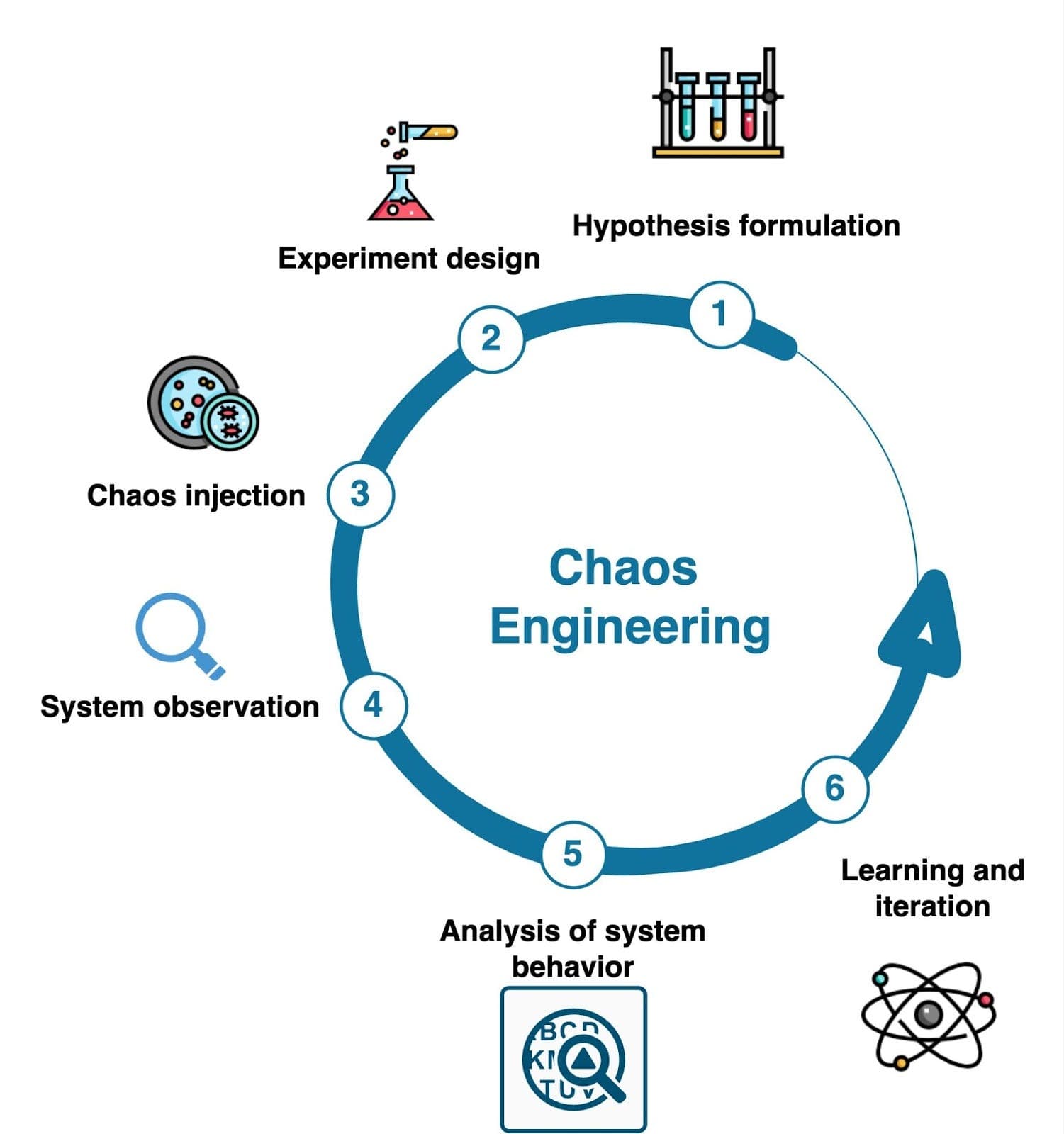
Modern software systems are no longer simple, single-server applications. They are complex, distributed ecosystems of microservices, cloud infrastructure, third-party dependencies, and automated pipelines. In this world, failure is not an exception—it’s a certainty.
Chaos engineering is a disciplined approach to embracing this reality. Rather than hoping systems behave correctly under stress, chaos engineering intentionally introduces failures to uncover weaknesses before they impact users. For Quality Assurance (QA) teams, chaos engineering represents a powerful evolution from traditional testing toward true resilience validation.
What Is Chaos Engineering?
Chaos engineering is the practice of experimenting on a system by deliberately injecting faults—such as server crashes, network latency, or dependency outages—to observe how the system behaves.
The goal is not to break things randomly, but to:
- Validate assumptions about system behavior
- Identify hidden failure modes
- Improve recovery mechanisms
- Build confidence in production readiness
A well-known early example is Netflix’s Chaos Monkey, a tool designed to randomly terminate cloud instances to ensure services could tolerate failures gracefully.
Why Chaos Engineering Matters to QA
Traditional QA focuses on:
- Functional correctness
- Regression prevention
- Performance under expected conditions
Key Benefits for Software Quality Assurance
- Validates Real-World Failure Scenarios
Production systems fail in unpredictable ways:
- Nodes crash
- Networks degrade
- Databases slow down
- External APIs time out
Chaos engineering tests these scenarios intentionally, rather than discovering them during outages.